How to remove condensation from windows: effective methods
Causes of condensation
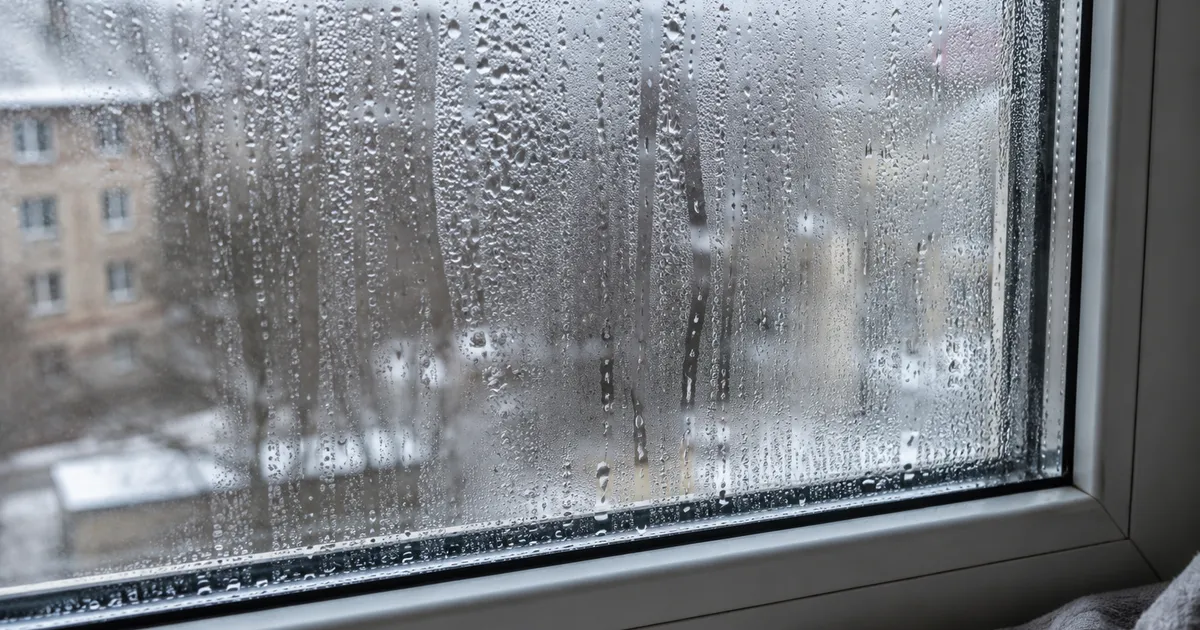
Condensation on windows is not just an aesthetic problem. It’s a serious signal of disrupted microclimate in your home. In Kyiv, where winters can be humid and cold, this problem is especially relevant for apartment dwellers. When warm, moist indoor air meets the cold glass surface, condensation occurs — moisture transforms from a gaseous state to liquid.
Main causes of condensation:
- High indoor humidity — above 60%. This often happens in kitchens during cooking or in bathrooms.
- Insufficient ventilation — blocked ventilation ducts or lack of regular airing.
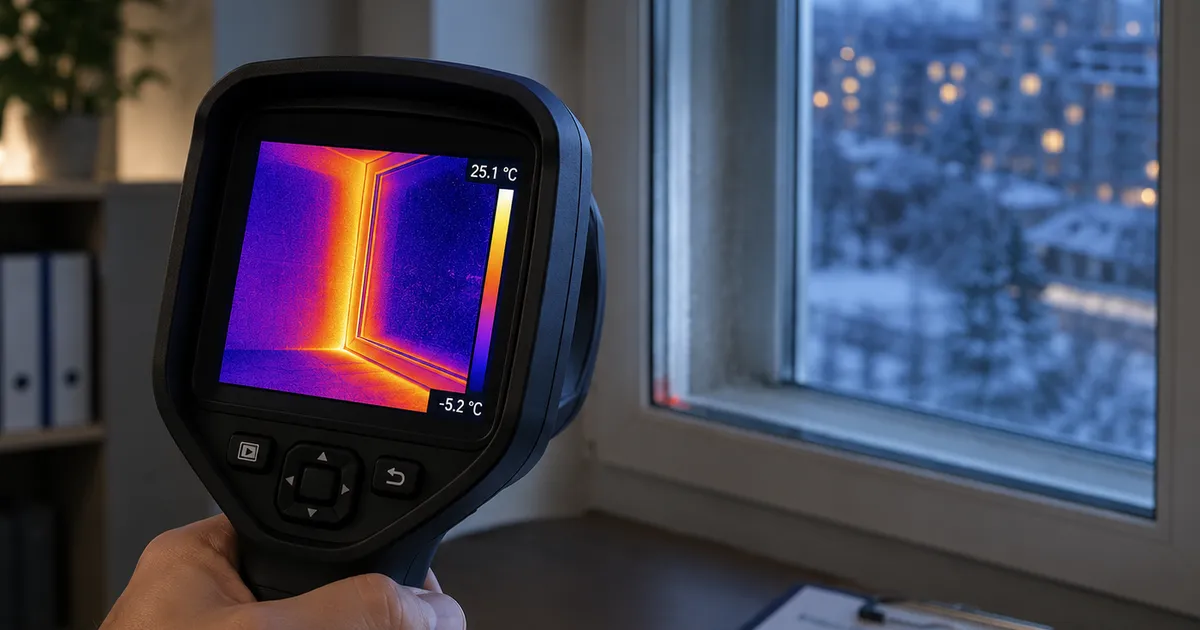
- Thermal bridges — structural defects through which glass freezes.
- Improper window use — permanently closed sashes without micro-ventilation.
- High indoor temperatures — radiators working at full capacity.
Important: Condensation more often appears on the lower part of the glass, as the temperature is lowest there. If the window freezes across its entire area — this is a serious problem requiring immediate attention.
Effective methods to combat condensation
There are several proven ways to eliminate condensation, from simple to more complex:
1. Regular ventilation
This is the simplest and most effective method. Open windows for 10-15 minutes, 2-3 times a day to create a cross-draft. In winter, ventilate more frequently but for shorter periods — 5-10 minutes each.
2. Humidity control
Use a hygrometer to measure humidity levels. If readings exceed 60%:
- Install a dehumidifier
- Hang laundry on the balcony, not in the room
- Use the kitchen exhaust hood while cooking
3. Heating adjustment
Overly hot radiators create a strong temperature differential. Set room temperature to 20-22°C, not 25-26°C. This reduces the temperature difference between the air and glass.
4. Micro-ventilation
If your vinyl windows are equipped with a micro-ventilation function — use it. This allows constant air circulation without significant heat loss.
What to do if condensation doesn’t go away
If you’ve already tried basic methods but the problem persists, it may be a structural issue:
Check the following:
- Seals — over time, rubber seals lose elasticity. Replacement is inexpensive but significantly improves insulation.
- Hardware — improper hardware adjustment can prevent the sash from pressing tightly against the frame.
- Window reveals — if the reveals aren’t insulated, cold penetrates through the wall near the window.
- Glass — standard single-pane glass has poor insulation. Consider replacing it with an energy-efficient double-glazed unit.
Tip: Winter condensation on windows often indicates the window can’t handle insulation. Check for gaps between the frame and wall. If the problem recurs in your Kyiv apartment — this is grounds for professional diagnosis.
Condensation prevention
The best way to fight condensation is to prevent it:
- Install a humidity meter and monitor readings
- Ensure regular ventilation — even in winter
- Don’t dry laundry in rooms without ventilation
- Use the exhaust hood in the kitchen and bathroom
- Check window and seal condition at least once a year
- Insulate window reveals if they weren’t treated during installation
Remember: Condensation is not normal for quality vinyl windows. If it appears constantly, this is a reason to contact specialists for diagnosis.
UWS performs window diagnosis and vinyl window repair in Kyiv. UWS professionals help identify the cause of condensation and fix it — from seal replacement to hardware adjustment or glass unit replacement.