Installing Windows on a Balcony: What to Choose
Balcony glazing is one of the most popular types of renovation in multi-story buildings. Properly chosen and installed glass transforms an open balcony into a cozy room protected from wind, rain, and noise. In this article, we’ll tell you how to choose the glazing type, profile, and glass unit for your balcony. In Kyiv, where most of the housing stock consists of multi-story buildings, balcony glazing is a particularly sought-after service, especially in Obolon, Darnytskyi, Sviatoshyn, and Pechersk districts.
Cold and Warm Glazing: What to Choose
The main difference between glazing types is the thermal insulation level.
Cold Glazing
Uses lightweight aluminum profile without insulation and single glass or thin glass unit. This glazing protects from wind, rain, and dust, but doesn’t provide thermal insulation.
When to choose cold glazing:
- Balcony or loggia is not heated
- Only protection from weather is needed
- Limited budget
- Balcony is used as storage
Advantages of cold glazing:
- Low price
- Lightweight construction (doesn’t overload balcony slab)
- Quick installation
Disadvantages:
- In winter, temperature doesn’t differ from outside
- Condensation may form
Warm Glazing
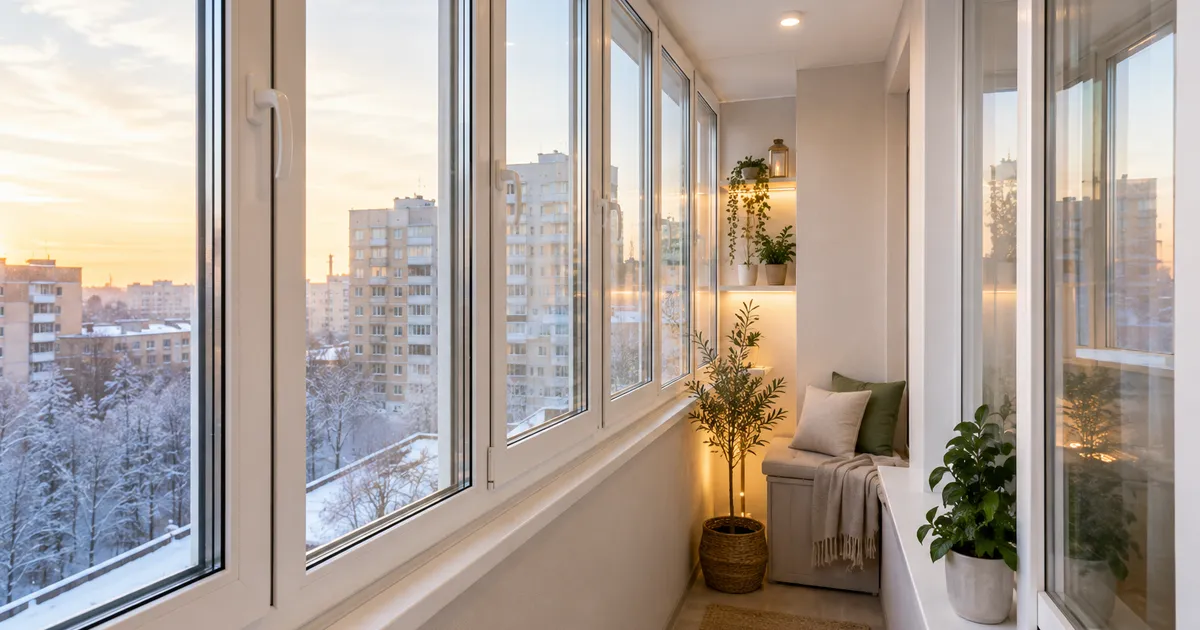
Uses plastic or aluminum-polymer profile with insulation and double-glazed unit. Provides high thermal insulation and allows using the balcony as a living space.
When to choose warm glazing:
- Balcony is heated or heating is planned
- Balcony is used as an office or relaxation room
- High thermal insulation is needed
Advantages:
- High thermal insulation
- Reduced street noise
- No condensation
Disadvantages:
- High price
- Heavy weight (slab strength needs to be checked)
- Requires wall and floor insulation
Expert Tip: Before choosing glazing type, be sure to check the balcony slab condition. Warm glazing is significantly heavier, and old balconies may not withstand the additional load.
In Kyiv, window installation on balconies is performed by UWS. Our specialists have experience with different glazing types and profiles.
Types of Balcony Profiles
The profile is the foundation of the window frame, which determines thermal insulation, strength, and service life of the glazing.
Aluminum Profile
Lightweight, strong, and corrosion-resistant. Used for cold glazing.
Advantages: lightweight, high strength, corrosion resistance, durability (over 50 years).
Disadvantages: poor thermal insulation, high price for insulated options.
Plastic Profile
The most common option for warm glazing. Provides good thermal insulation and affordable price.
Advantages: high thermal insulation, affordable price, wide color selection.
Disadvantages: heavier than aluminum, may yellow from sun.
Aluminum-Polymer Profile
Combines aluminum strength and polymer thermal insulation. Perfect for warm glazing with high requirements.
Advantages: high strength, excellent thermal insulation, weather resistance.
Disadvantages: high price.
Glass Units for Balcony Glazing
The glass unit is the most important glazing element that determines thermal and sound insulation.
Single-Chamber Glass Unit
Consists of two panes and one air chamber. Suitable for cold glazing or unheated rooms.
Double-Chamber Glass Unit
Consists of three panes and two air chambers. Provides better thermal and sound insulation. Perfect for warm glazing.
Special Glass Units
- Energy-saving. Have coating that reflects heat into the room.
- Tinted. Protect from excessive sunlight.
- Multi-functional. Combine energy-saving and tinting.
Expert Tip: For warm balcony glazing, we recommend a double-glazed unit with energy-saving coating. This will provide maximum thermal insulation and reduce heating costs.
Installation and Insulation Stages
Installing windows on a balcony is a complex process that requires experience and knowledge.
1. Preparatory Stage
- Balcony slab condition assessment
- Glazing type and profile selection
- Measurements and design
- Documentation approval
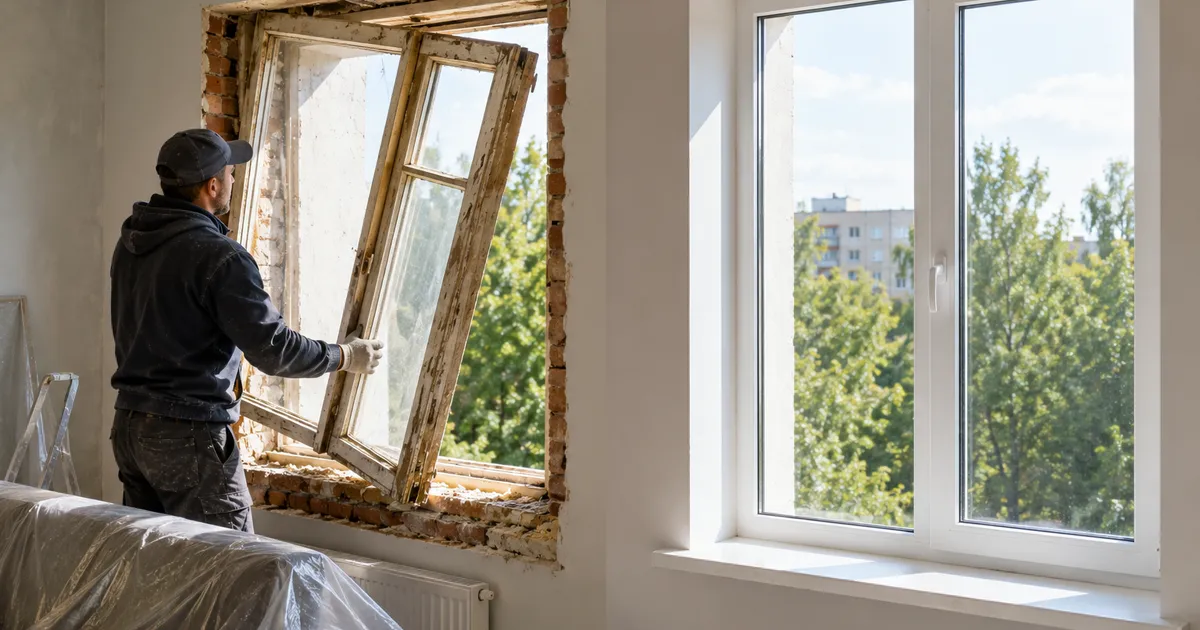
2. Old Glazing Removal
- Removing old frames
- Preparing the open structure
- Surface cleaning
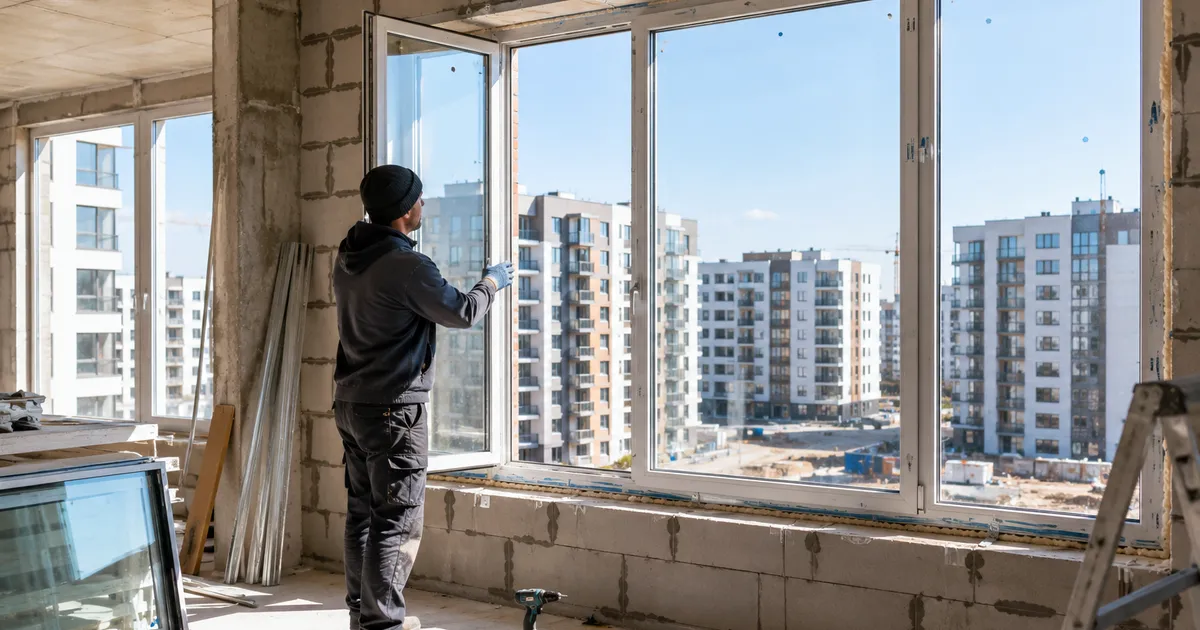
3. New Glazing Installation
- Frame installation by level
- Fixing with brackets
- Glass unit installation
- Seam sealing
4. Insulation (for warm glazing)
- Wall insulation with polystyrene or mineral wool
- Floor insulation
- Ceiling insulation
- Slope finishing
5. Final Finishing
- Windowsill installation
- Wall cladding
- Sill installation
- Painting or facing
Common Mistakes
- Incorrect slab strength assessment. Leads to deformation or collapse.
- No insulation. Without it, warm glazing doesn’t perform its function.
- Poor sealing. Leads to leaks and heat loss.
- Incorrect profile choice. Mismatch with operating conditions.
Properly chosen and installed glazing will transform your balcony into a comfortable and cozy room. Contact UWS specialists for professional installation and get warranty on all work. UWS also provides glass unit installation and window hardware repair services in Kyiv.